Street Styles
Hip-Hop
Hip-Hop Dance came to its inception in New York in the 1980’s from the roots of breaking and funk styling. Hip-Hop was the social movement language of the youth, attending block parties, clubs, and battles.
Hip-Hop uses the bounce, rock and groove as its foundational movement.
The Style combines freestyling within the foundational elements and incorporates party grooves, other street dances, and trending social moves.
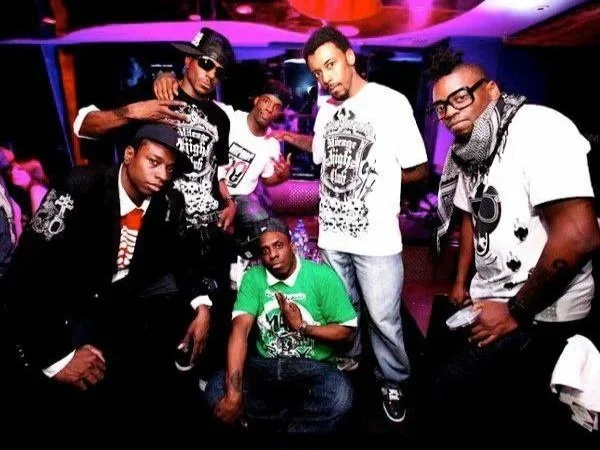
Popping
Popping originated in California in the 1970’s and was popularized by crews like the electric boogaloos.
Popping is a quick contraction and relaxation of the muscles which creates a “popping” effect in the body. Popping can be concentrated on specific body parts (arm pops, leg pops, chest pops, neck pops.)
The style includes key elements such as; the pop, isolations, animation, waving, dime stops, boogaloo rolls, glides and slides.
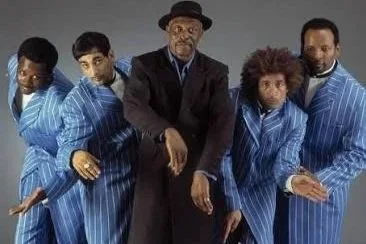
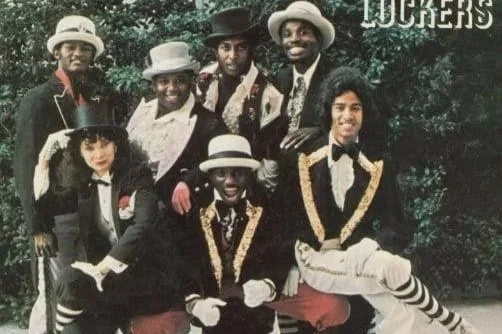
Locking
Locking was created in the late 1960’s by Don “Campbellock” Campbell. Dancing with the crew “the lockers” the style became more popularized after Appearing and becoming recurring guests on SOul Train
Locking combines fast and sharp arm and hand movements with a more relaxed lower body.
The style includes key elements such as; Up and down locks, points, paces, leo walk, stop and go, scoobot, skeeter rabbit and funky guitar.
House
House dance originated in the underground house music scene in chicago and new york in the late 1970’s/early 1980’s. House draws influence from vernacular Jazz, Disco and african dance styles.
house is a real-time response to the music and energy being felt.
The style includes key elements such as; the jack, footwork, groove, freestyle.
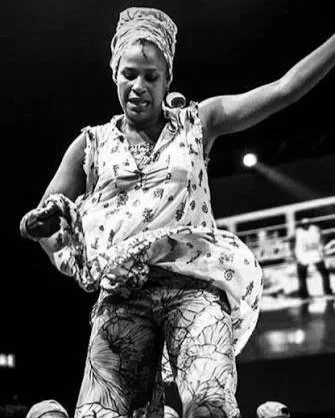
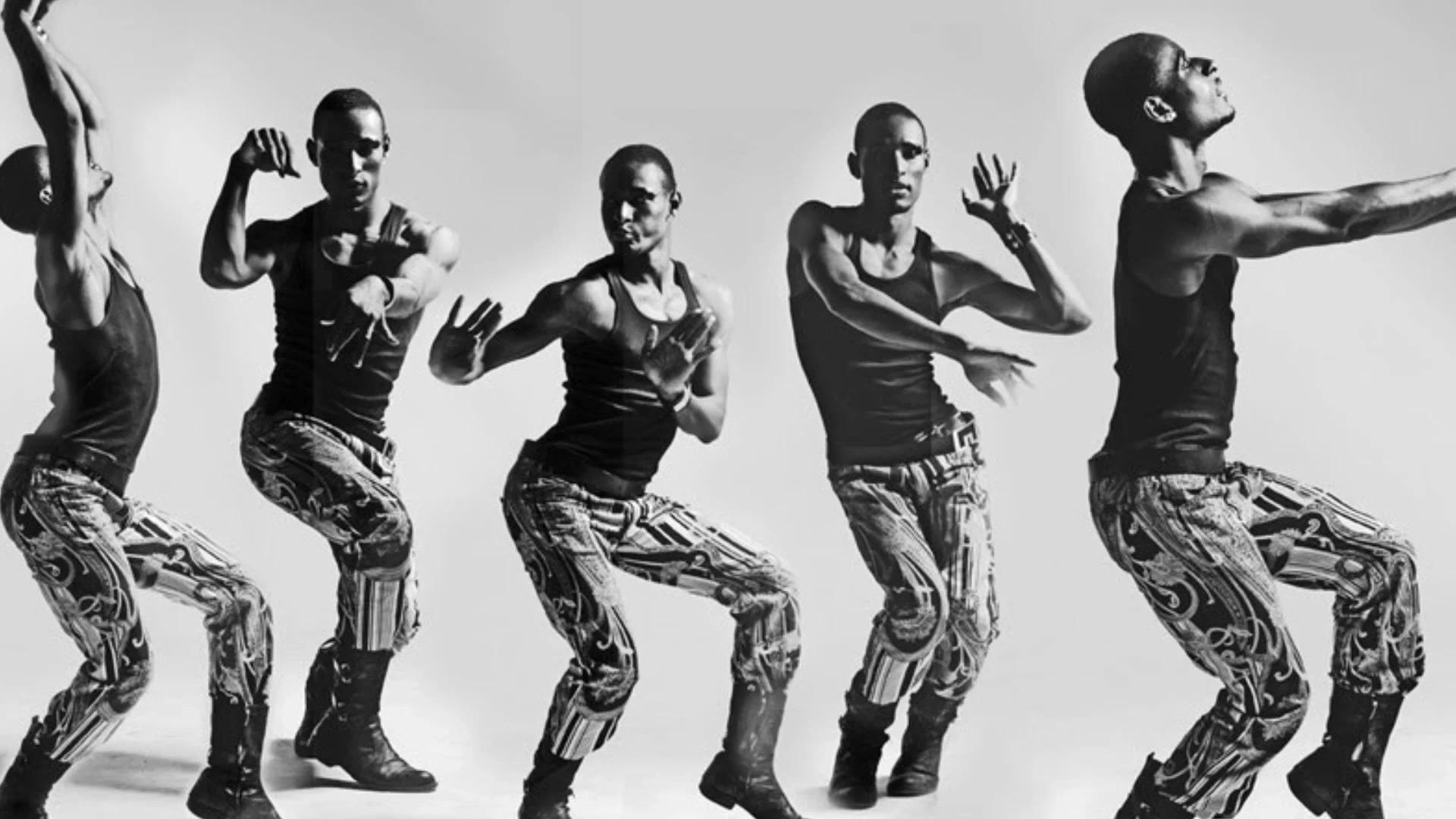
Waacking
Waacking originated in the early 1970’s within the underground LGBTQ+ club scene and was danced to sped up disco music. it was later introduced to mainstream audiences via the television show soul train.
The style includes key elements such as; rotational arm movements, poses, and strong expressiveness.
It focuses on confidence, self-expression and musicality.
Breaking
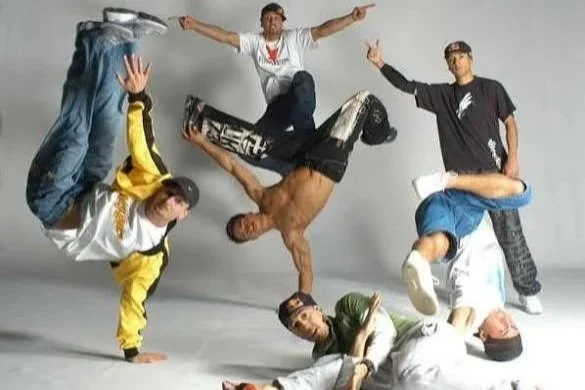
Breaking originated in the bronx in the late 70‘s/early 80’s by Black and Puerto Rican dancers.
Breaking refers to the drum “break” in the music or dancing to the breaking point. breakers are referred to as b-boys and b-girls.
The style includes key elements such as; toprocks, footwork, power moves and freezes. the Cypher is an important element of breaking
Other Street Tech Styles:
Other street Dance Styles that we may cover in Street dance and Tech classes are; litefeet, jooking, krump, strutting, robot/animation, tutting, boogaloo, & voguing.
Additional Styles
Dancehall
Dancehall dance, born from the vibrant streets of Jamaica, is a dynamic movement style that reflects the pulse of Dancehall music and culture. Known for its sharp isolations, grounded movement, and intricate footwork, Dancehall is both a social dance form and a performance art. It celebrates individuality, confidence, and self-expression while honouring its roots in the Jamaican community.
Soca
Soca dance is the heartbeat of Caribbean celebration—energetic, joyful, and deeply connected to Carnival traditions. Rooted in Trinidad and Tobago, Soca emphasizes fluid waist movements, expressive body isolations, and high-energy footwork that bring the music to life. Whether it’s wining, jumping, or the pure release of movement, Soca dance embodies freedom, community, and cultural pride.
Acrobatics
Acrobatics & Tumbling Skills relate to many street dance styles like hip-hop, litefeet and especially breaking as a specialized vocabulary, where high-level power moves like aerials, back flips and handsprings are integrated into a breaker’s floor transitions and throw-downs.
advanced Dancers utilize acrobatic flips and somersaults to add explosive variety, using tumbling elements to link footwork, top-rock, and down-rock seamlessly into freezes.
Contemporary
Contemporary dance originated in the early 20th century and is a dynamic and eclectic genre. it cam to be our of rebellion of artists looking for something that could blend the “high art” would of ballet with the avant-guard offerings of modern dance.
contemporary dance is challenging to nail down to specific characteristics, as the genre is a moving target that is constantly reinventing itself. it does include key elements such as use of space, flow, friction and weight changes and textures that can be explored either through music or the movement itself.
Alvin Ailey took the graham technique and put it to black music (like gospel) so it had some lyrical influence and spoke directly to the black experience.
Tap
Tap dance is a black american art form, known as the percussive dance of the united states. it is an evolving oral tradition. this means it is passed from generation to generation, and it’s always changing. it has been said to have evolved over a period of theee centuries have emerged in the southern usa in the 1700’s.
Blending music and dancing, tap dance explores musicality, creativity, and rhythm while always drawing inspiration from the large line of historical tap dancers who passed down tap knowledge from generation to generation.
Industry Prep
Designed for aspiring young dancers looking to break into the professional world, this class focuses on training and developing the skills and mindset needed to thrive in today’s commercial dance industry. Dancers will level up versatility, polish performance quality, sharpen audition technique, and develop both industry etiquette and on-camera presence, while exploring cutting-edge commercial styles. A great option for dancers serious about pursuing dance beyond the studio.
Heels
This beginner-friendly class is designed to introduce dancers to the fundamentals of heels technique, including posture, walks, lines, weight placement, and musicality. You'll build confidence, strength, and style in an empowering and supportive space that encourages you to explore movement and own your presence. No heels experience necessary — just come ready to learn, grow, and have fun!
Jazz Funk
A high-energy class that fuses jazz technique with the latest commercial styles seen in today’s music videos, concert tours, and television. Dancers will train precision, musicality, confidence, and choreography pick-up in this fast-paced, industry-focused environment. Perfect for young dancers looking to build stage presence and take their training to the next level in preparation for professional opportunities.